February 10, 2026
Patent Cliff 2.0: How Generics can use Biocatalysis to Gain a Competitive Edge
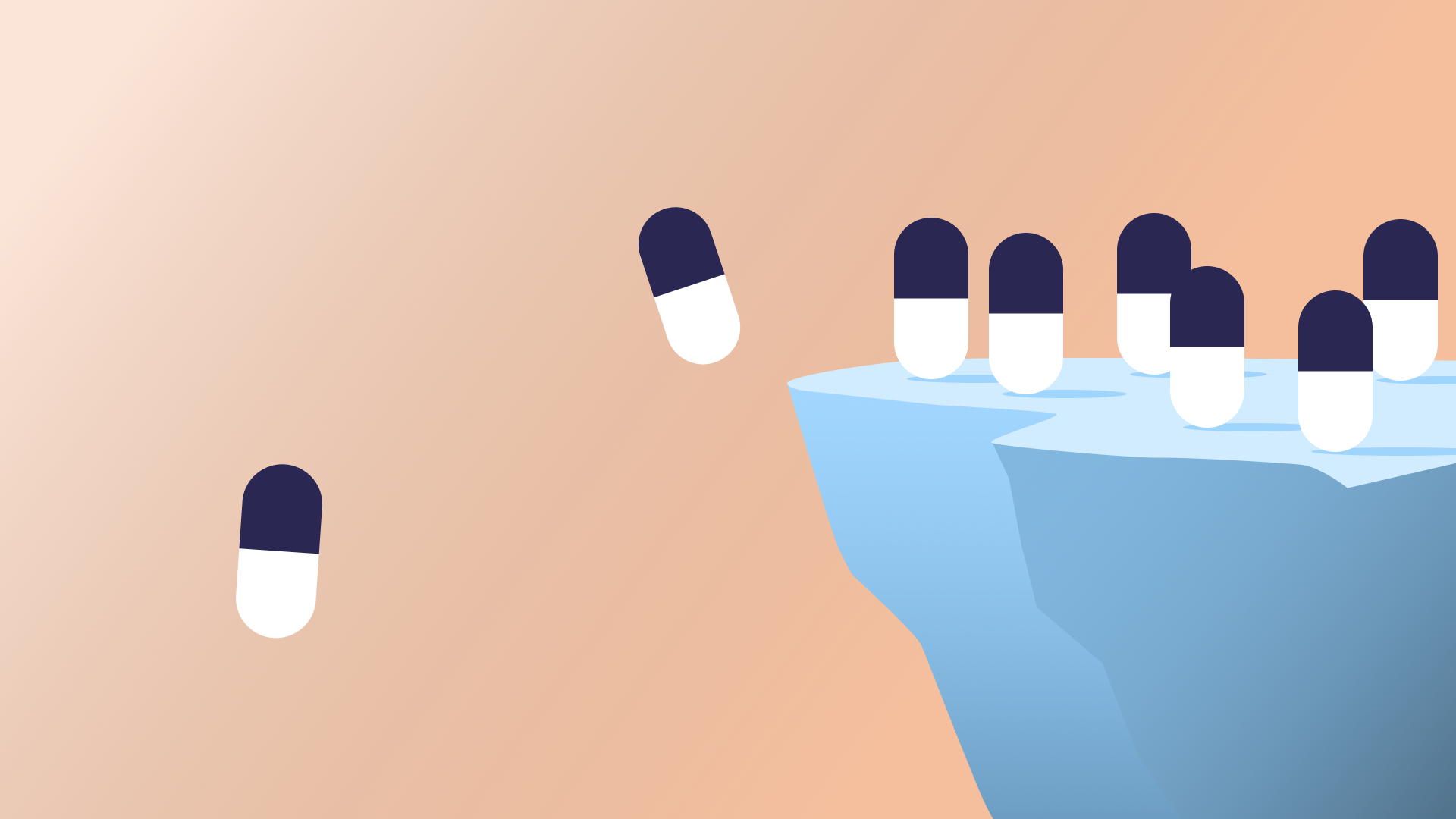
The second patent cliff is here. Over the next few years, billions of dollars in blockbuster drugs will lose exclusivity, opening massive market opportunities for generics manufacturers.
But here's the reality you're facing:
-
- The molecules with expiring patents are increasingly complex.
- Traditional chemical synthesis routes are often locked behind restrictive IP.
- Regulatory pressure for sustainable manufacturing is intensifying.
- And your margins are getting squeezed from every direction.
Biocatalysis offers a clear alternative, one that lets you build proprietary manufacturing methods, circumvent existing patents, and create a real competitive advantage.
Adopting enzyme-based processes might feel like a daunting transformation. However, with the help of the right partner, it offers your company a clear opportunity to compete at a higher level in a transformed marketplace.
The Challenges in Relying Solely on Chemical Synthesis
Traditional chemical synthesis has served the pharmaceutical industry well for decades. But it's increasingly showing its limitations.
-
- Significant IP barriers
The most lucrative synthetic routes are often protected by patents that block your entry into high-value markets. You're left with the choice of either licensing expensive technology or developing slow, costly workarounds. - Limited by complex challenges
Some transformations are extraordinarily difficult through conventional chemistry. For example, enantioselective synthesis requires you to produce a specific mirror-image molecule (enantiomer) with extreme purity. Chemical routes often require multiple protection steps and still may not deliver the selectivity you need. For high-value pharma applications where regulatory standards demand precision, these limitations can block you from entire product categories. - Unable to adapt to new regulatory landscapes
Traditional synthesis requires harsh conditions, expensive catalysts, and generates significant waste. And increasingly, governments worldwide are demanding greener chemistry. Sustainable manufacturing isn't just good PR, it's becoming a compliance requirement.
- Significant IP barriers
As biocatalysis technology advances, companies that can't implement these solutions are falling behind as competitors access transformations you can't perform and create IP moats you can't cross.
Biocatalysis Solves What Chemistry Can't
Enzyme-based processes offer solutions to the challenges we just outlined.
-
- They excel where chemistry struggles in especially challenging transformations.
In enantioselective conversions, enzymes naturally produce single enantiomers with the purity levels pharma applications demand. Biocatalysis even opens access to chemical transformations previously considered unreachable, catalyzing reactions that are prohibitively difficult via traditional methods. - The environmental and cost benefits are real too.
Enzymatic processes typically operate at lower temperatures and pressures, reducing energy consumption and generating less waste. Your operational costs drop while your sustainability credentials improve. - Along the way, the enzymes themselves empower you with new IP possibilities.
When you develop a custom enzyme for a specific transformation, you're creating your own intellectual property—a proprietary manufacturing route with its own opportunities for patent protection.
- They excel where chemistry struggles in especially challenging transformations.
The Honest Barriers to Entry in Biocatalysis
Despite these advantages, most companies fall into two camps—and each faces distinct barriers.
Companies Using Some Biocatalytic Processes
If you're already using some biocatalytic processes in your operations, you likely have infrastructure and expertise to move forward. But you're sitting on a vast panel of chemical transformations where you haven't implemented enzymes. How do you identify where you should invest next?
Companies Strictly Adhering to Chemical Processes
If you're a strictly chemical manufacturer, the barrier is even higher. Why disrupt something that still works, especially when acquiring new processes feels overwhelming?
These concerns aren't trivial. But the benefits of enzyme-based processes are too great to ignore.
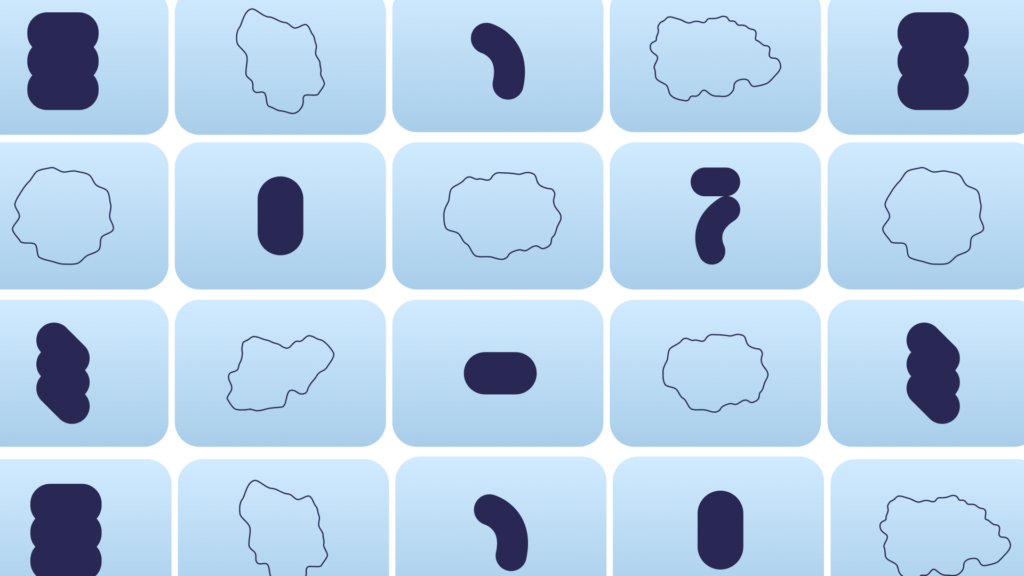
Step 1: Identifying Where Biocatalysis Will Actually Work
Many companies make the mistake of throwing resources at enzyme development without first evaluating which transformations have a high probability of success. You're left with unsuccessful projects and a wasted R&D budget while frustration grows within your scientific team as one more project gets canceled.
Before you commit significant resources, you have to evaluate your complete panel of chemical transformations to identify where enzymes will deliver results. This means analyzing each route based on the specific chemistry, performance requirements, and available enzyme space to determine if they are viable for biocatalysis. Often, there are entirely new routes that can be designed as enzymes offer alternatives that would be impossible through chemical synthesis.
Some transformations are perfect candidates—high technical difficulty with chemistry, clear enzyme mechanisms, and a strong business case. Others feature fundamental limitations that make enzymatic approaches impractical. Zymvol can help guide your business to invest smartly only on the chemical routes with high chances of success to implement biocatalysis.
Equipped with this knowledge, you can focus investment only where success probability is highest: routes where biocatalysis solves a genuine problem like breaking through an IP barrier, achieving a technically difficult transformation, or accessing a high-value market currently out of reach. This comprehensive panel evaluation is especially valuable for companies already using biocatalytic processes, helping you strategically expand across your portfolio rather than guessing which transformations to tackle next.
Step 2: Finding and Developing Suitable Enzymes
Once you've identified promising routes, you face a traditional bottleneck in finding or developing suitable enzymes.
Standard approaches rely on screening existing enzyme libraries, a process that can take months or years. And for many commercially interesting reactions—especially novel or specialized transformations—suitable enzymes simply don't exist in available libraries.
The Physics-Based Modeling Advantage
Unblocking biocatalysis for your chemical routes that enable you to generate new IP requires a unique mix of technology and expertise. Instead of being limited to what already exists, computational approaches can analyze hundreds of thousands of potential biocatalysts to identify candidates for your transformation.
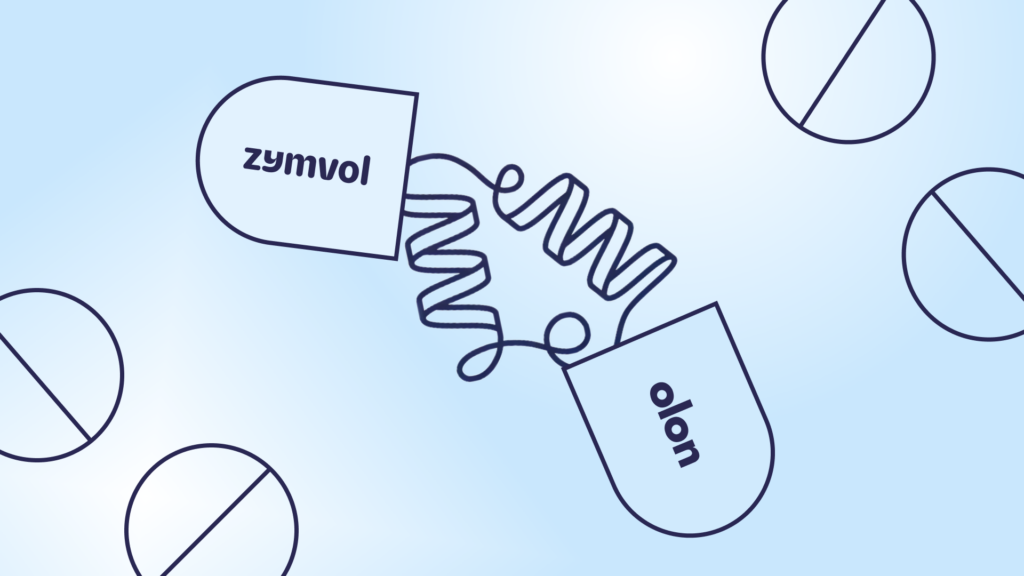
Applying a hybrid physics-AI approach offers a vital combination of the computing technology’s strengths in pattern recognition with a mechanistic understanding of molecular physics. AI rapidly screens enormous sequence databases to identify promising candidates. Physics-based modeling then provides detailed mechanistic insight to optimize those candidates for your specific requirements and deliver results in weeks rather than months or years.
Just as importantly, these are proprietary enzymes. When you develop a custom biocatalyst for your specific transformation, you're creating intellectual property. That enzyme becomes the foundation of a proprietary manufacturing route your competitors can't simply reproduce.
Step 3: Navigating the Shift from Discovery to Manufacturing
The path to industrial production involves process development at scale, quality assurance, regulatory compliance, and specialized manufacturing requirements. Each product presents unique scale-up challenges requiring process development specialists, manufacturing partners with the right capabilities, and quality systems that meet regulatory requirements.
You can streamline your journey to manufacturing with an end-to-end support model. A skilled partner can help you master the early-stage development, discovering and optimizing your enzyme at lab scale. From there, you can secure strategic guidance while connecting with a network of industry-leading partners for each stage: process development experts, fermentation specialists, enzyme manufacturers, and regulatory consultants. You don’t have to navigate this complex path alone.

Identifying the Way Forward for Your Business
Patent Cliff 2.0 is happening whether your business is ready or not.
Biocatalysis technology itself is advancing with new computational tools, expanded enzyme databases, and better optimization methods. Staying with purely chemical processes means missing access to transformations your competitors can perform and markets they can enter while you're blocked.
In the generics industry, where molecules are identical and differentiation is limited, manufacturing innovation becomes the competitive advantage. The result? Proprietary enzyme technology and a competitive moat your competitors can't easily replicate.
Ready to get started? Contact our team, and we’ll ensure your business finds the best solution for your project.
You might be interested in

Start your Evolution
Create new products and processes, adapt existing ones or develop completely new biochemistry. Zymvol is here to guide you in any stage of your journey.
Go to solutions