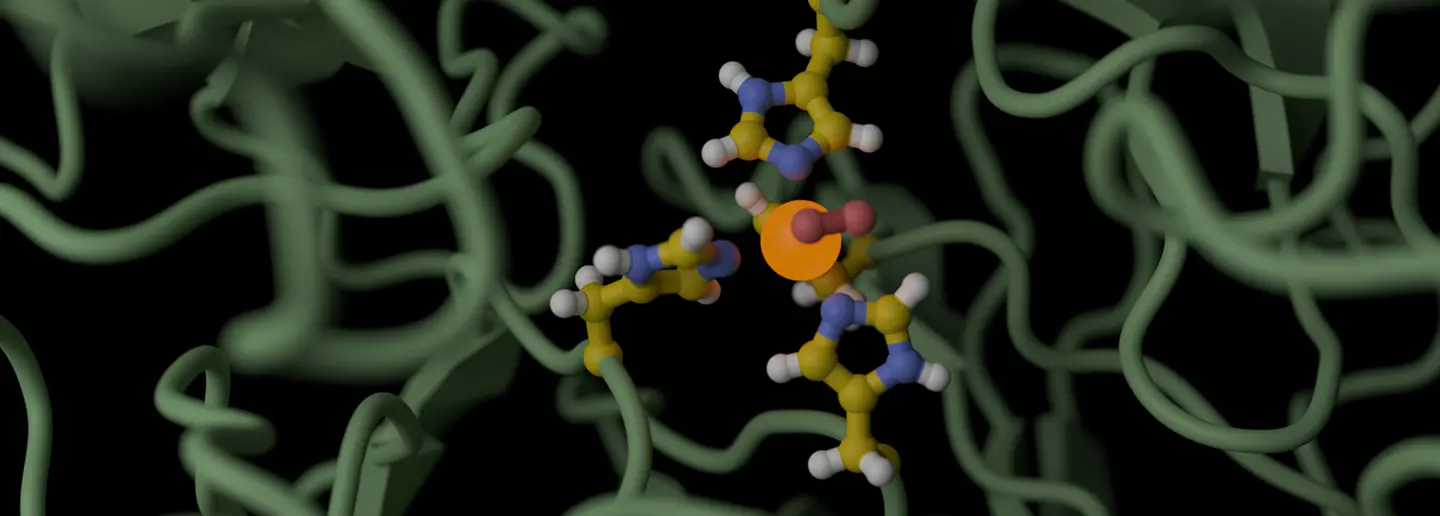
Delivered both diverse, unencumbered starting points and highly active, industrially viable ene-reductase variants in just one month and with a single computational round
Achieving a 4-fold conversion increase through ene-reductase discovery and optimization
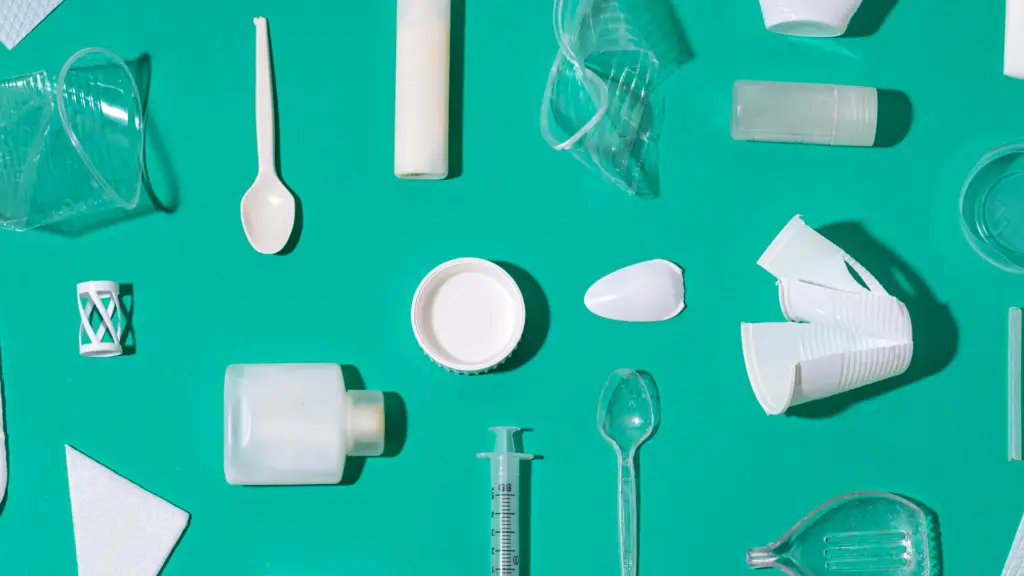
Engineering a PETase for enhanced room-temperature thermostability
In a collaboration with the MIT and the University of Colorado, the Zymvol team managed to engineer a PETase enzyme with improved thermostability and 30% higher PET productivity at 30 °C.
Optimizing pharma manufacturing with a co-factor regeneration system
Zymvol’s team designed and implemented a novel enzymatic synthesis featuring an integrated co-factor regeneration system, allowing continuous in situ recycling of the cofactor rather than one-time use.
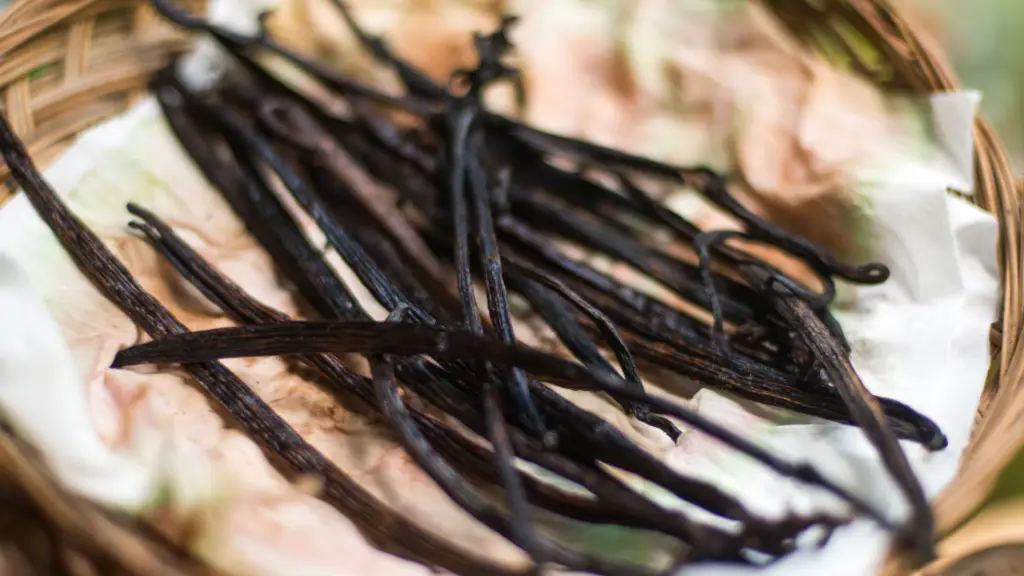
Turning wood waste into a sustainable industrial vanillin process via multi-enzyme cascades
Mapping distal mutations allowed us to extend the enzyme’s operational life by 40-fold, a critical factor for long-term industrial cycles.
Breaking IP barriers in API production
The enzyme engineering campaign yielded a lead candidate that significantly surpassed existing benchmarks. Experimental validation confirmed that Zymvol’s top hit delivered 10x higher activity than the leading patented enzyme, as well as 99% e.e.
Delivering a 17x specificity boost in 6 months
After five intensive rounds of directed evolution, a leading biotech company had achieved an 8x increase in enzyme activity and a 12x increase in enzyme specificity. However, they had reached a plateau.
Improving artificial enzyme performance with distal mutations
By screening a small number of mutant enzymes, the team discovered two individual single distant mutations —located more than 11 Å from the active site— that significantly improved the enzyme’s properties.
Simpler oxygenated product synthesis by altering enzyme specificity
In only one month, we went from a highly specific bacterial peroxygenase to a versatile enzyme capable of hydroxylating both indole and thioanisole, two substrates it previously could not act on.

Start your Evolution
Create new products and processes, adapt existing ones or develop completely new biochemistry. Zymvol is here to guide you in any stage of your journey.
Go to solutions